What is the relationship between energy balance and body composition?
+
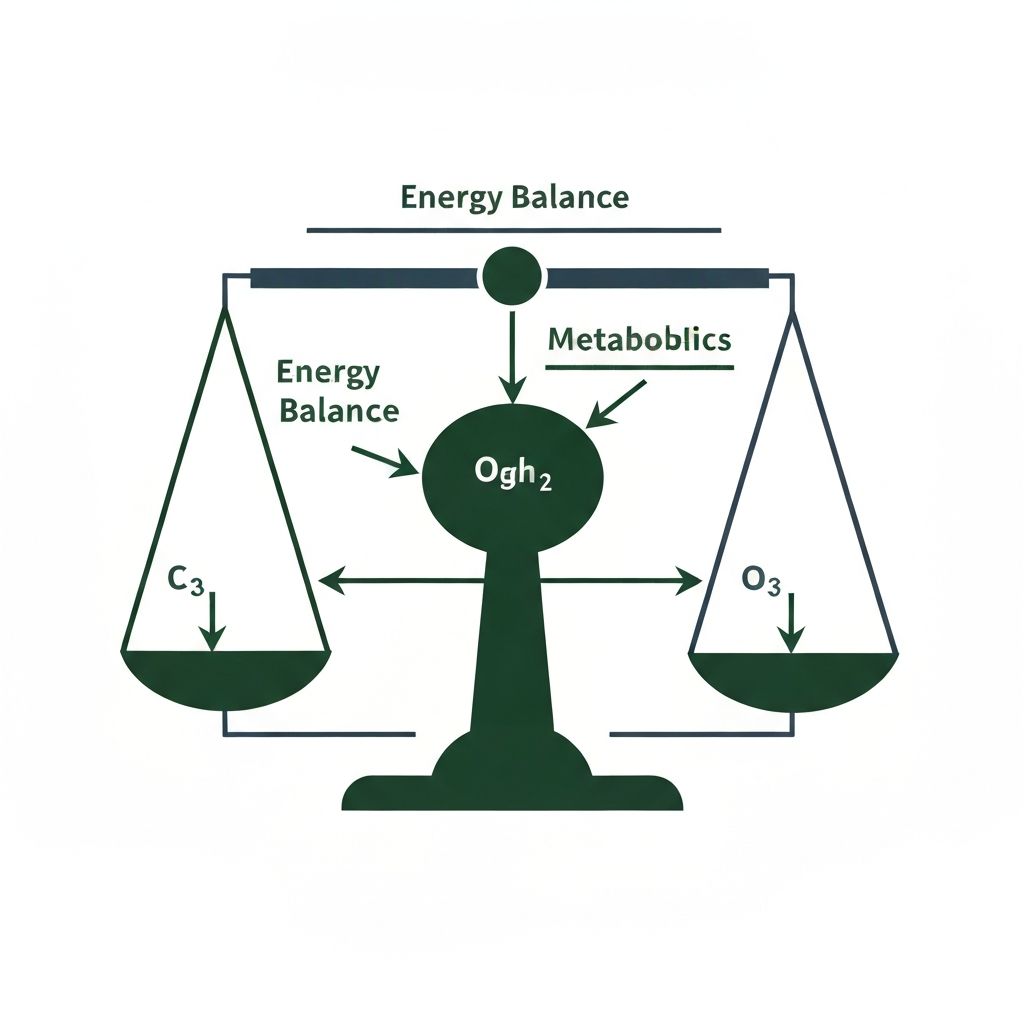
Energy balance—the relationship between energy intake and expenditure—determines whether body weight changes. However, the composition of that weight change depends on factors including physical activity patterns, macronutrient distribution, and hormonal status. A given caloric intake distributed differently across macronutrients can produce different metabolic responses.
How do hormonal signals interact to regulate appetite?
+
Appetite regulation involves multiple overlapping systems. Leptin provides long-term signals about energy stores; ghrelin increases acute hunger; and hormones like GLP-1 and CCK promote satiety. These systems work synergistically, with their relative influence depending on feeding state, meal composition, and individual factors like physical activity and sleep.
What is metabolic adaptation and why does it occur?
+
Metabolic adaptation refers to changes in how efficiently the body processes energy in response to sustained changes in energy intake. During prolonged caloric deficit, the body reduces metabolic rate and increases appetite to promote energy conservation—an evolutionary adaptation to food scarcity. The magnitude of this adaptation varies among individuals.
How do different macronutrients affect satiety?
+
Protein has the highest thermic effect and generally promotes satiety through multiple mechanisms. Fats slow gastric emptying and trigger CCK release. Carbohydrates' satiating effects depend on type and fiber content. Individual responses vary, and satiety is influenced by eating behavior, meal environment, and prior dietary patterns.
What is the difference between acute and chronic energy deficit?
+
Acute energy deficit (days to weeks) primarily reduces energy availability without significant metabolic adaptation. Chronic deficit (weeks to months) triggers compensatory mechanisms: reduced metabolic rate, increased hunger, and shifts in substrate utilization. The degree of metabolic adaptation increases over time and varies individually.
How does physical activity influence energy metabolism?
+
Physical activity increases total daily energy expenditure directly through movement and indirectly through recovery processes. Different activity types (strength training vs. endurance) produce different metabolic effects. Activity also influences macronutrient utilization, hormonal status, and long-term metabolic health markers.
What factors determine individual differences in metabolic rate?
+
Metabolic rate varies based on body composition (lean mass is metabolically active), age (metabolic rate declines with age), sex, genetic factors, hormonal status, and physical activity level. Prior nutritional history can also influence metabolic efficiency. These factors explain why energy requirements differ significantly across individuals.
How does the digestive process affect nutrient absorption?
+
Digestion breaks nutrients into absorbable forms. The rate of this process (gastric emptying, small intestinal transit time) varies with meal composition and individual factors. Nutrient bioavailability depends on food form (whole vs. processed), cooking method, and the presence of absorption-enhancing or inhibiting factors.
What is the role of micronutrients in energy metabolism?
+
Micronutrients (vitamins and minerals) function as coenzymes and cofactors in metabolic pathways. B vitamins support energy production; iron enables oxygen transport; zinc supports enzyme function. While micronutrient deficiency impairs metabolism, the relationship between micronutrient status and body composition in adequate populations remains complex.
How do sleep and stress influence energy metabolism and appetite?
+
Sleep deprivation alters leptin and ghrelin balance, typically increasing appetite. Chronic stress elevates cortisol, which influences glucose metabolism and fat distribution. These factors illustrate that energy regulation involves multiple physiological systems beyond simple nutrient balance. Individual responses to sleep and stress vary considerably.
 CoreNutriGuide